





Our experienced Dulux Protective Coatings staff shared valuable insights on surface preparation and the use of Dulux Luxafloor products. A useful and practical resource for painters and other trade professionals seeking to learn more about concrete flooring.
A Concrete flooring 101 webinar hosted by Dulux Protective Coatings professionals. Includes live demos of products and materials, and a step-by-step guide to the concrete flooring process.
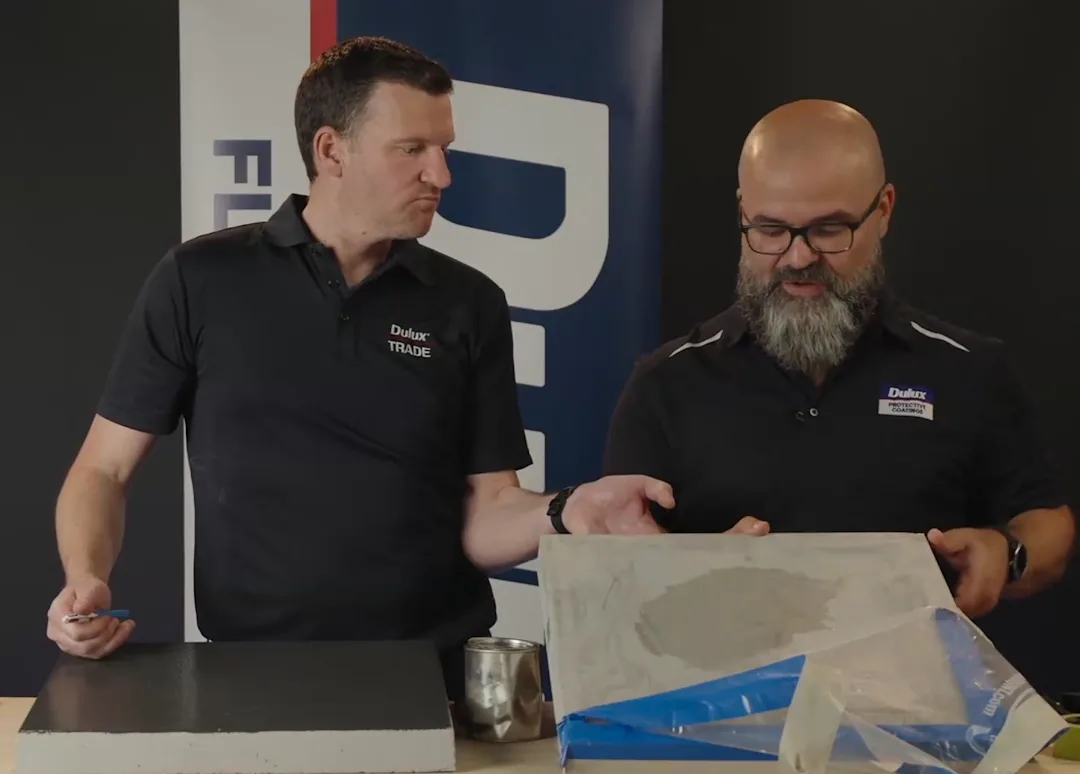
1. How to Prepare Concrete for Coating:
Proper surface preparation is critical for successful concrete coating.
Step 1: Start by assessing the slab for contaminants like grease or oil and clean thoroughly using a degreaser.
Step 2: Next, perform mechanical preparation typically diamond grinding or shot blasting to remove weak surface layers (known as laitance) and create a textured profile for better adhesion.
Note: A simple water bead test can confirm readiness: if water soaks in within 30–60 seconds, the surface is adequately prepared. Skipping these steps risks poor adhesion and premature coating failure.
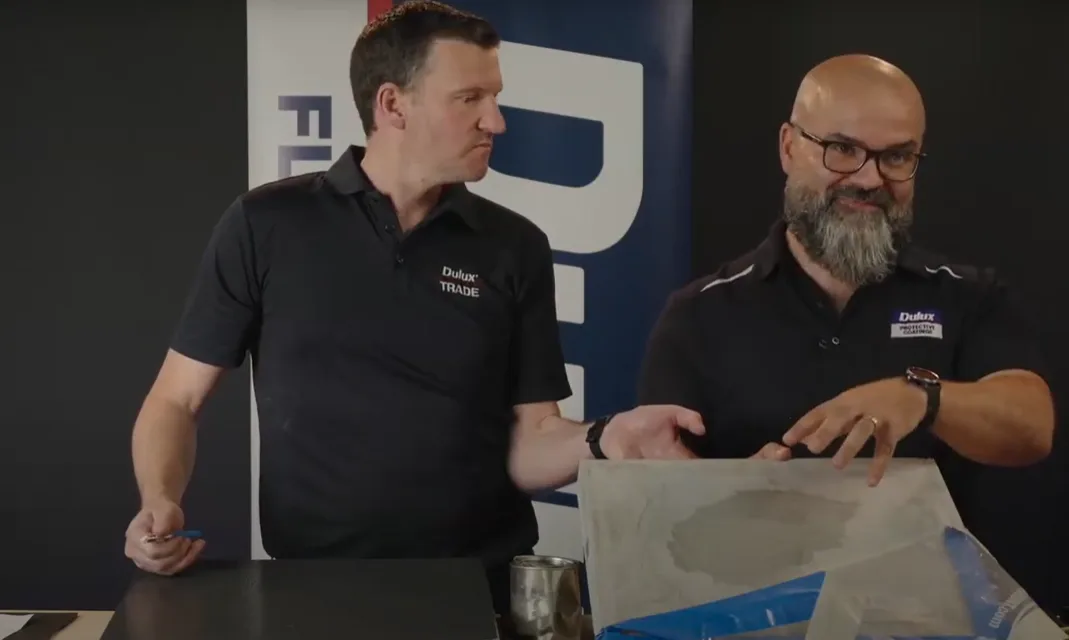
2. Why is Moisture Testing Important?
Moisture trapped in concrete can cause blistering and delamination after coating. When a coating seals a damp slab, the moisture will eventually try to escape, creating pressure beneath the film. This oftenresults in bubbles or blisters that compromise durability.
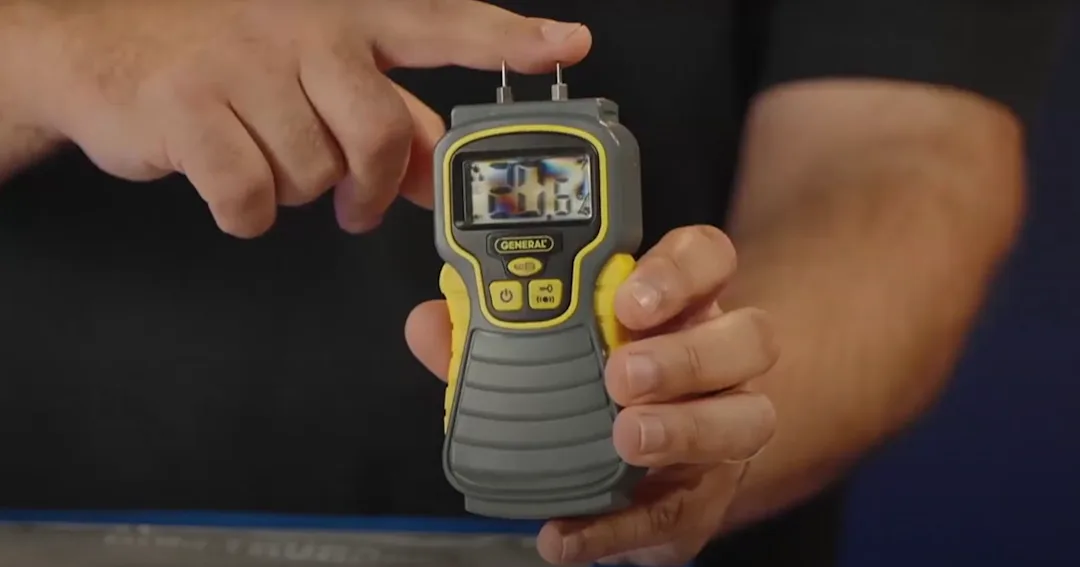
3. When should Moisture Testing be done?
Moisture testing, using a plastic sheet method or an electronic moisture meter, should be done on all new or bare slabs. Industry standards recommend three tests per 100 m² and one additional test for every extra 100 m². Ideally, moisture content should be 6% or less before coating.
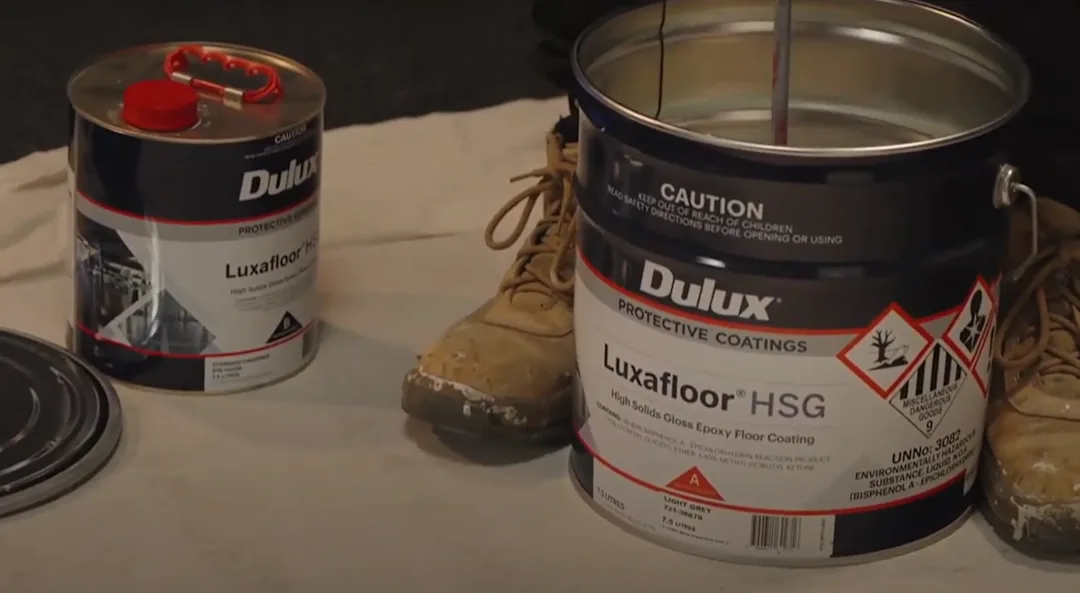
4. How to Mix Two-Pack Coatings
Two-pack coatings require precise mixing to ensure performance.
Step 1: Begin by stirring Part A thoroughly, incorporating any tint evenly.
Step 2: Slowly add Part B (the hardener) while mixing to avoid shocking the resin. Use a helical mixer on a slow-speed drill for 3–5 minutes
Step 3: Scrape the sides and lid, and allow an induction time of about five minutes before application.
Note: Incorrect mixing can lead to uneven curing, sticky patches, or brittle areas. Always follow the specified pot life, once mixed, the clock starts ticking.